There’s an interesting discussion going on on the Forum for Information Heritage Standards in Heritage list, on which I have been lurking and keeping one eye, concerned with the theme of standardizing grey literature. For the non cognoscenti, grey literature records are reports about heritage objects and activities (at least in this context, but the term is known in other areas too), especially archaeological excavations, which are not widely available and therefore not widely read. The thread has been started by the data standards section of English Heritage, with the aim of establishing how the heritage community might go about standardizing the reporting process, and thereby making the grey literature more accessible. Numerous approaches have been discussed – such as Catherine Hardman of the ADS mentioning the A&H e-Science programme-funded Archaeotools project, which uses natural language processing to index grey lit. on the basis of what, where and when entities after it has been deposited – although, of course, this depends on the resource being digital in the first place (or has been digitized), which, of course, it may not have been — the virtues of paper record keeping have been aired in the discussion, and clearly no one is suggesting doing away with it.
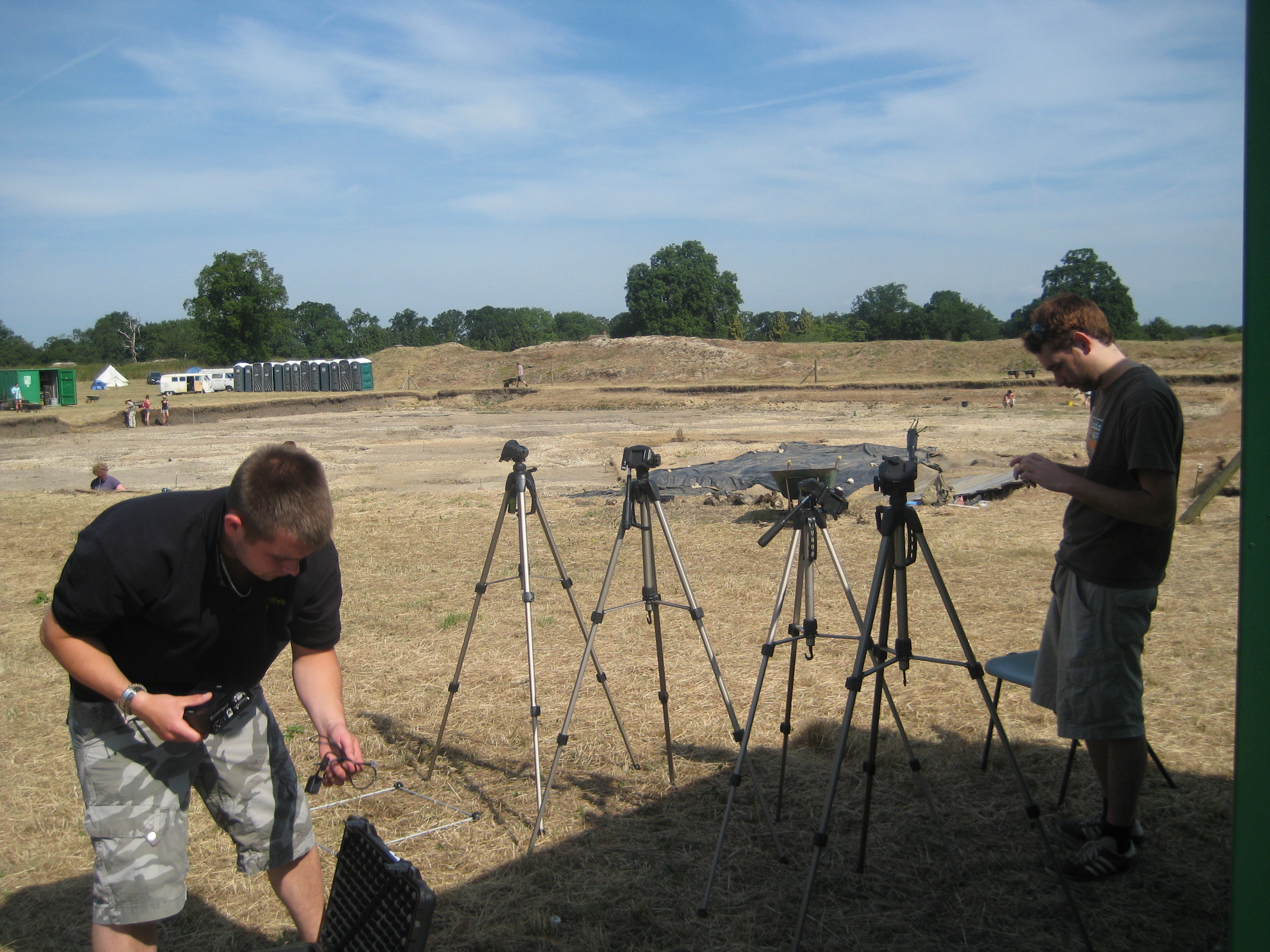
My own thoughts: the word ‘literature’ of course implies a fundamentally non-digital way of doing things. Lief Isaksen has raised, on the list, the importance of ‘grey data’, and I think this raises fundamental issues of *how the reports are compiled*, or rather how they could or should be. As I and others have discussed elsewhere, the process of gathering data in archaeology and heritage is faced with many new digital opportunities: the good old VERA project at Reading being a case in point. In many cases, perhaps we should be thinking of some elements of grey literature – and only some, before anyone writes any angry comments – those reports which document projects which are already gathering significant amounts of data digitally – should be seen as documentation and interpretation of that data, drawing perhaps on some of the good practice models of the old AHDS. This would enable the depositor to ‘tie’ the report to whatever format the data may be in – photos, GIS/GPS points, spreadsheets, etc. ‘Standardization’, such as it is, could then be drawn from schema types such as RDF. In such cases, why go through the fundamentally ‘literary’ process of compiling a grey literature report, when something much more lightweight could and should be possible in the digital age?